Scaled Elevated Product Details (EPD) — a component suite that improves product education on PDPs — to 238+ products across 5 sports categories, driving a +300-700 BPS lift to ATC on Nike.com and App.
Role
Team
Commerce
Timeline
Skills
Research, Design
Elevated Product Details
Nike's PDPs have relied on branded, long-form copy and images to communicate product details. This structure left a gap in product understanding, consumers weren't getting the depth of information needed to make a purchasing decision. Elevated Product Details (EPD) is a suite of 9 components originally designed to unlock product education for Running Footwear, placed directly below the fold at key decision-making moments on Nike PDPs. These components guide consumers through high-level overviews to granular design and technical details, offering a comprehensive product story that better supports purchasing decisions. My work focused on the next challenge: could this component suite hold up across fundamentally different sport contexts, audiences, and content needs?
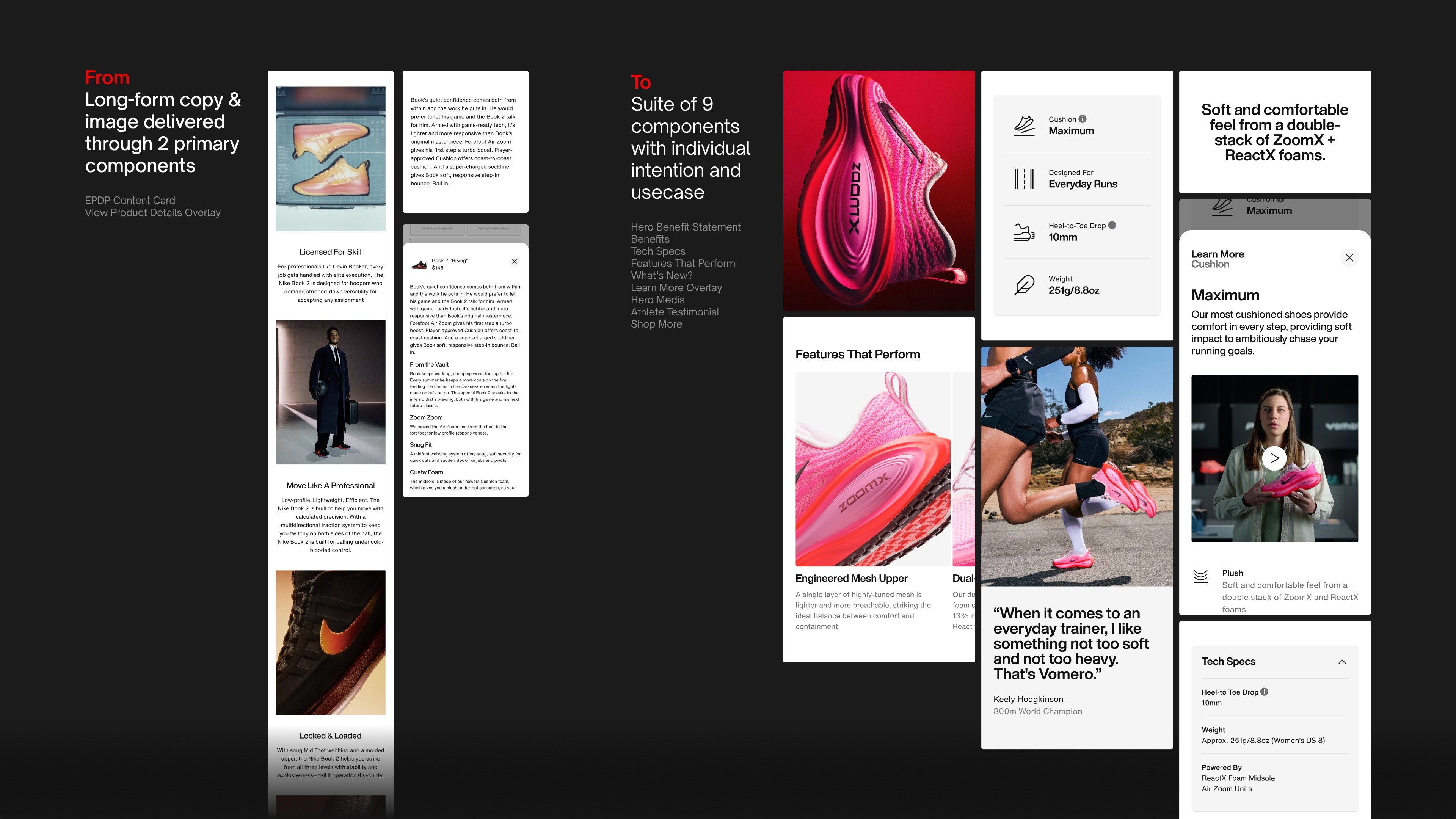
Scaling Components
I owned the end-to-end research and design process for the 5-sport scale-out. This included designing the research methodology, building and iterating on prototypes for each sport category, moderating consumer sessions, synthesizing findings into actionable recommendations, and translating those insights into content and design direction for each component. I partnered closely with Marketing, Brand, and Copy teams to ensure research findings directly shaped the final experience.
Consumer Research
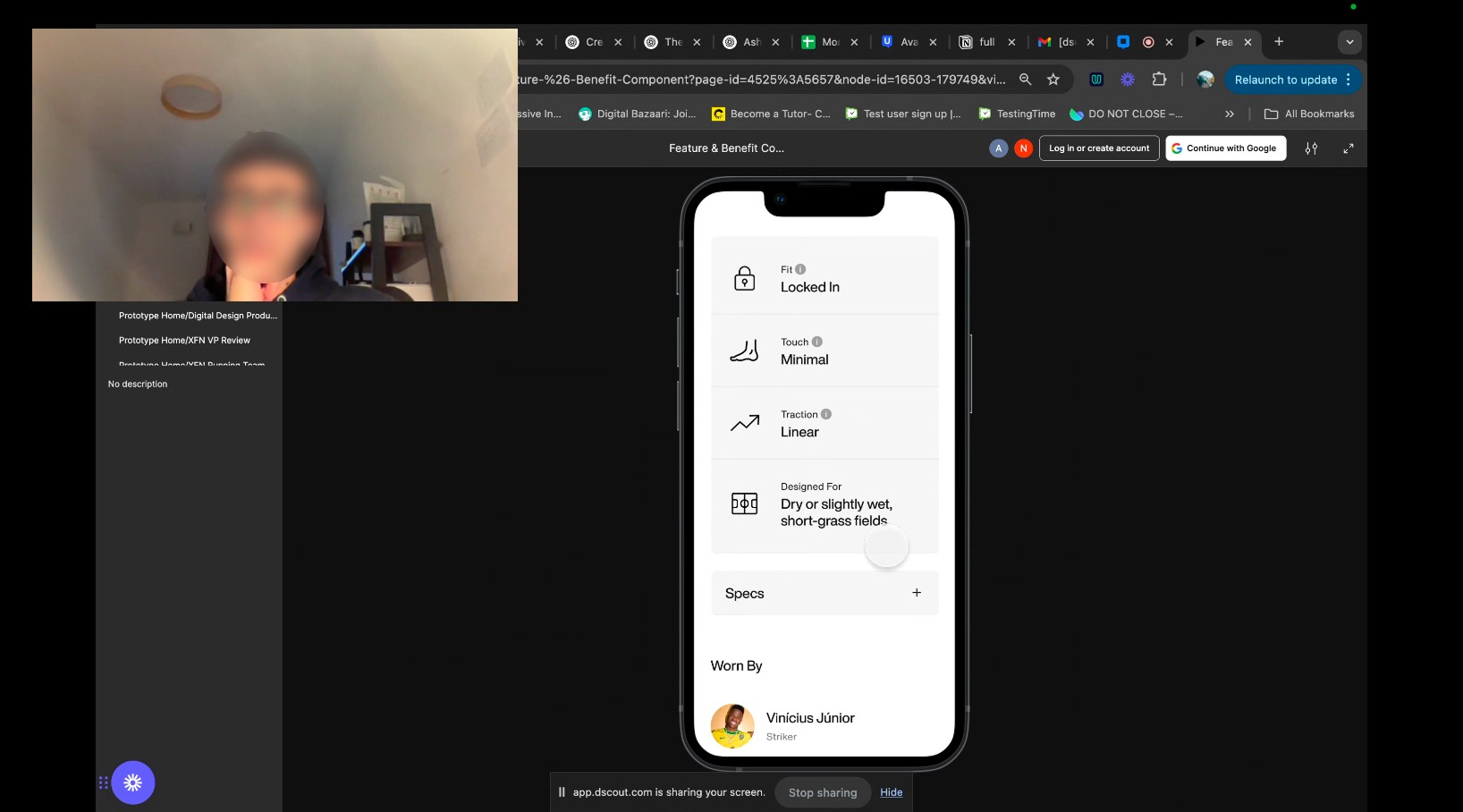
To validate EPD's components and content across new sport contexts, I ran a qualitative study for each of the 5 categories — 10–12 1:1 sessions per sport, 60–75 minutes each, totaling 78 consumers. Participants explored a prototype for a PDP of a product for that sport, and provided feedback on copy, assets, and benefit language, generating direct recommendations for each of the 9 components.
Objectives
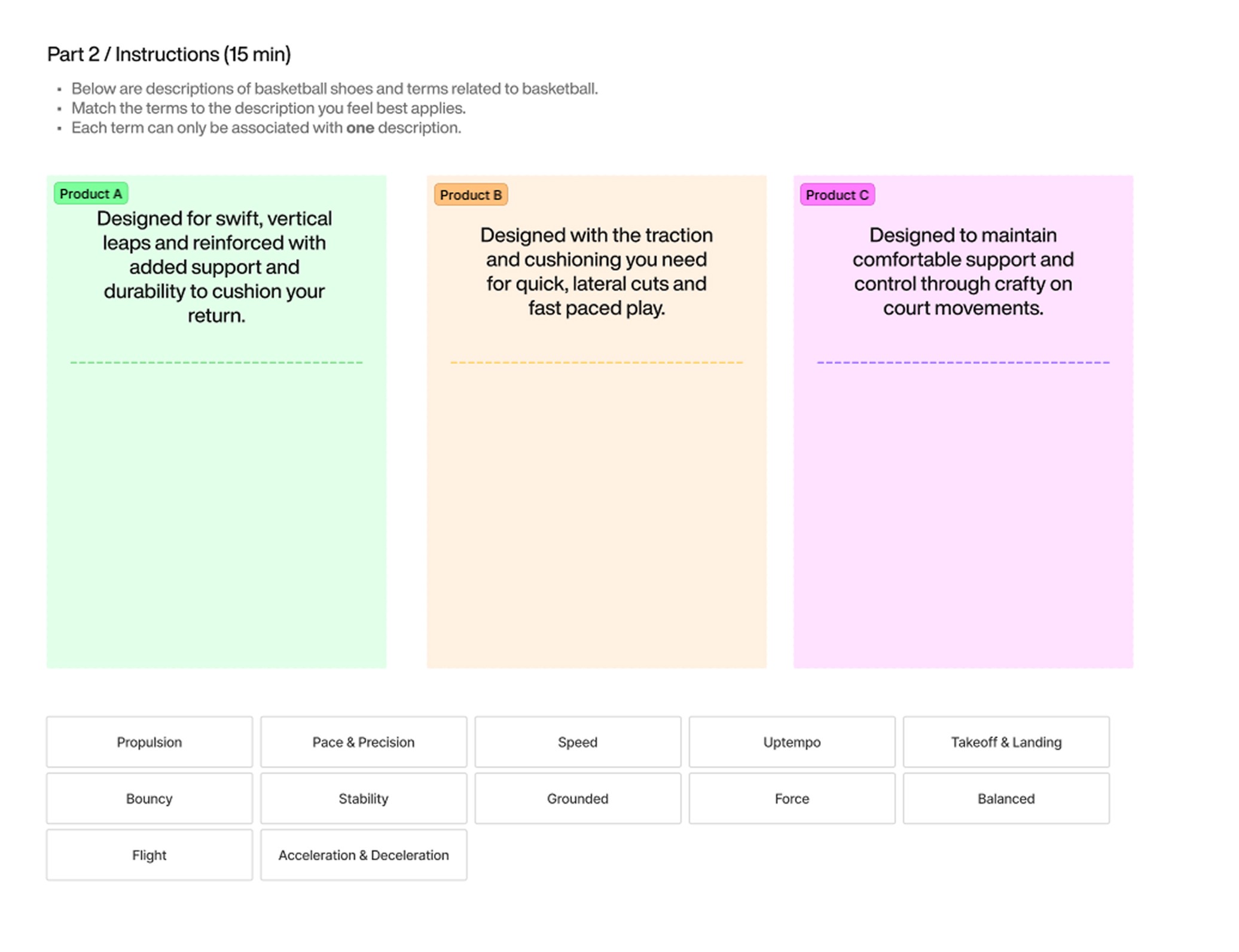
Research objectives focused on evaluating copy, assets, and content within EPD components, as well as assessing product positioning language to ensure it was consumer-friendly. Objectives varied based on the needs of each sport category.
Study Design
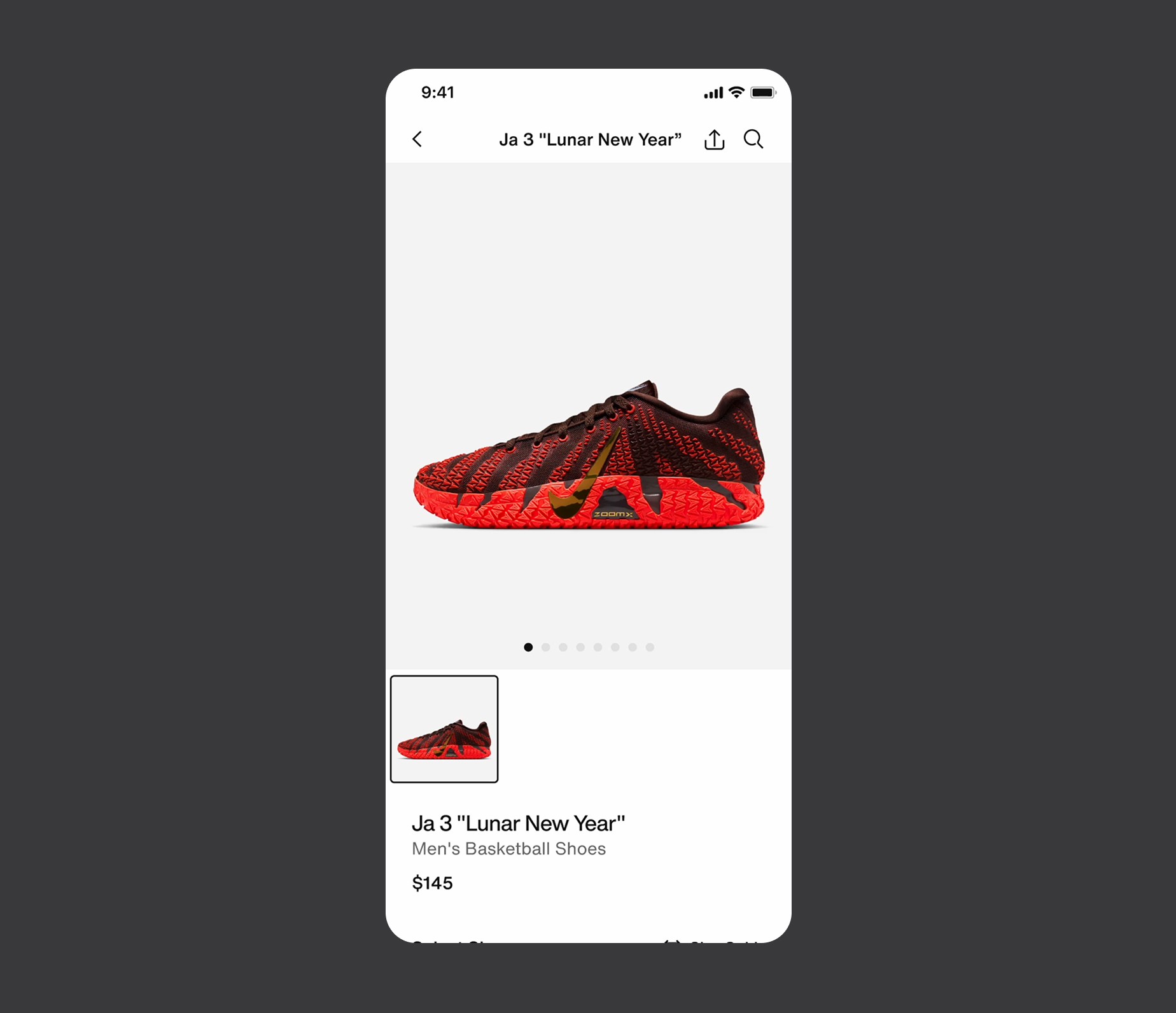
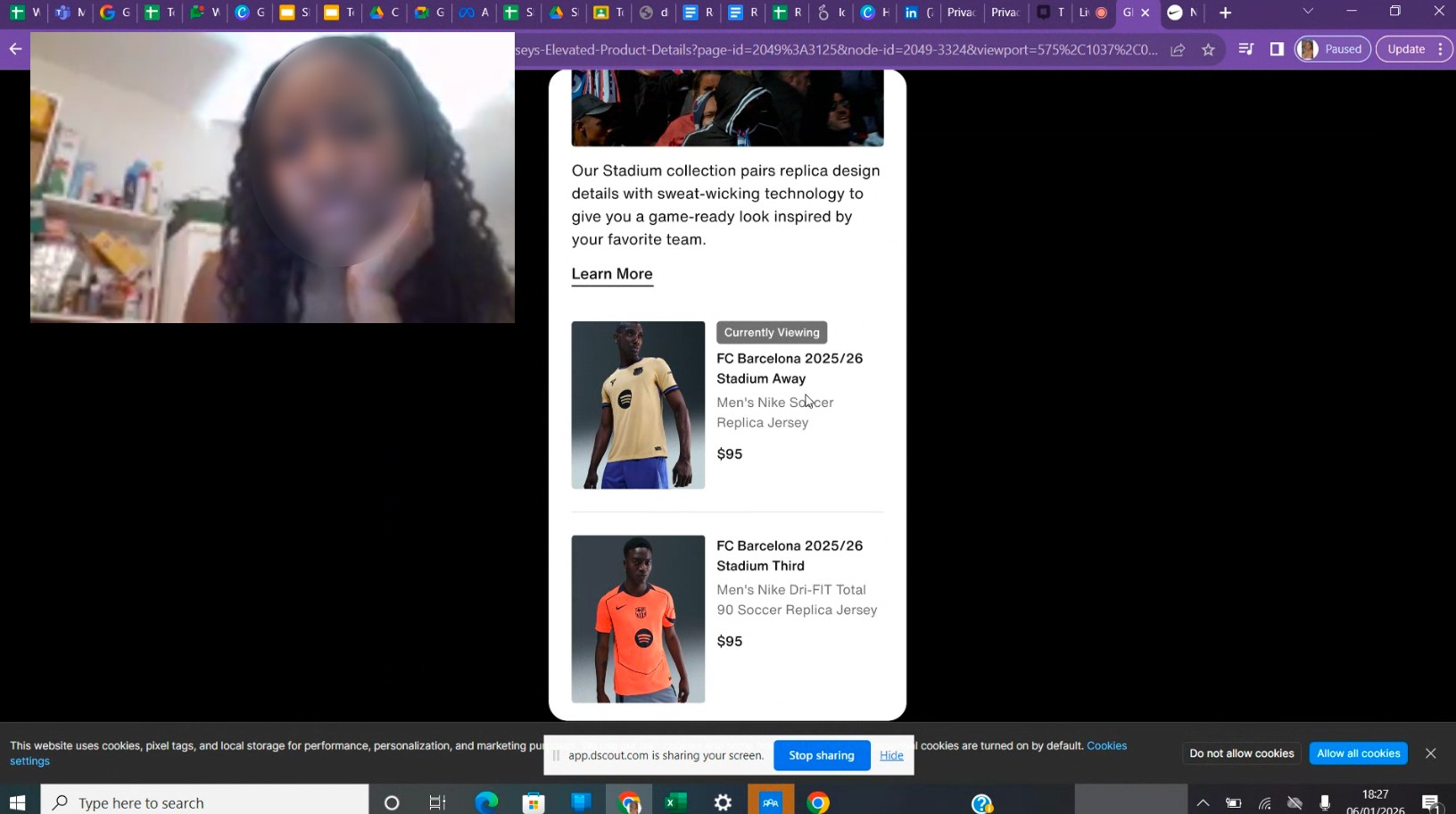
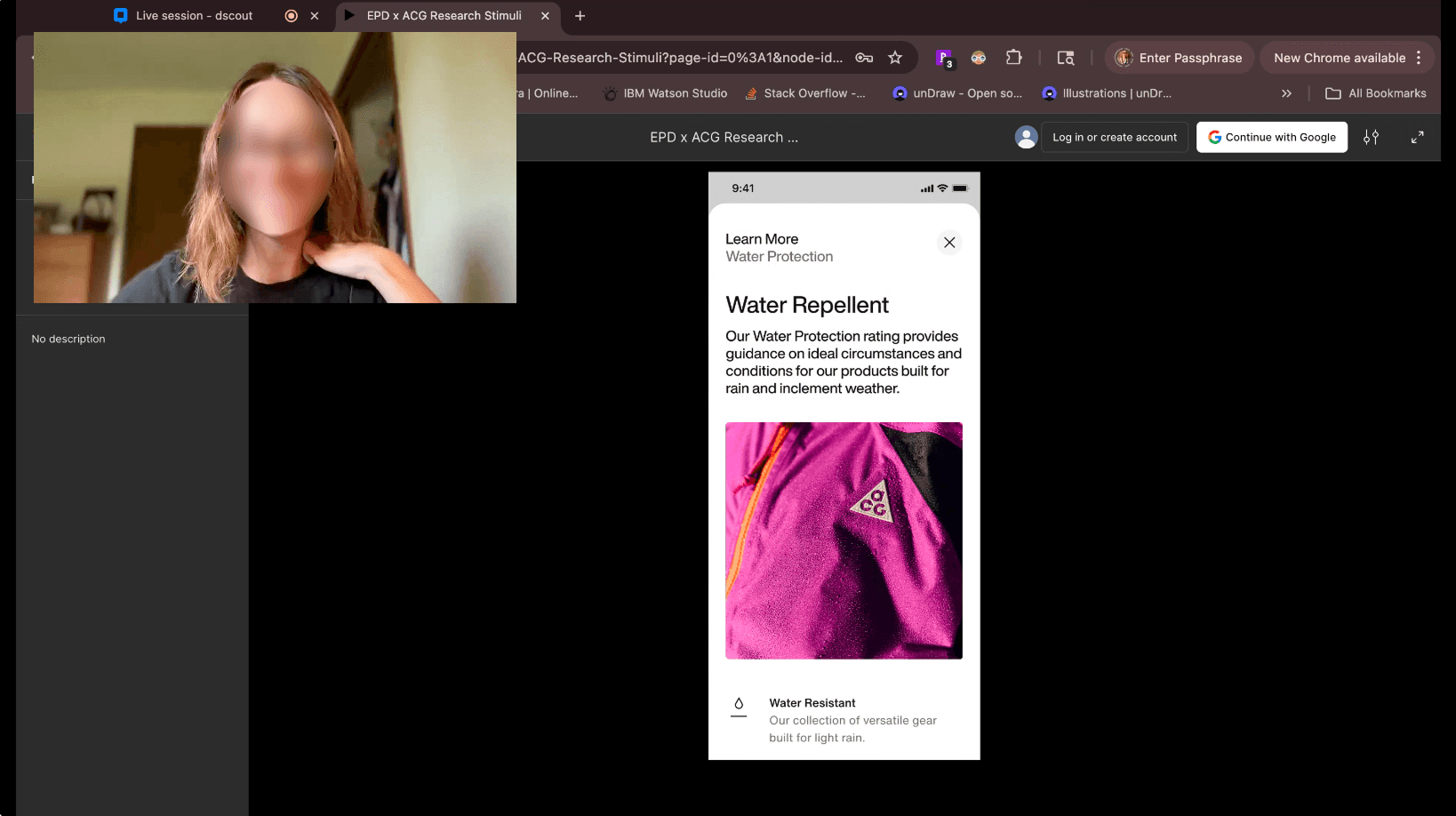
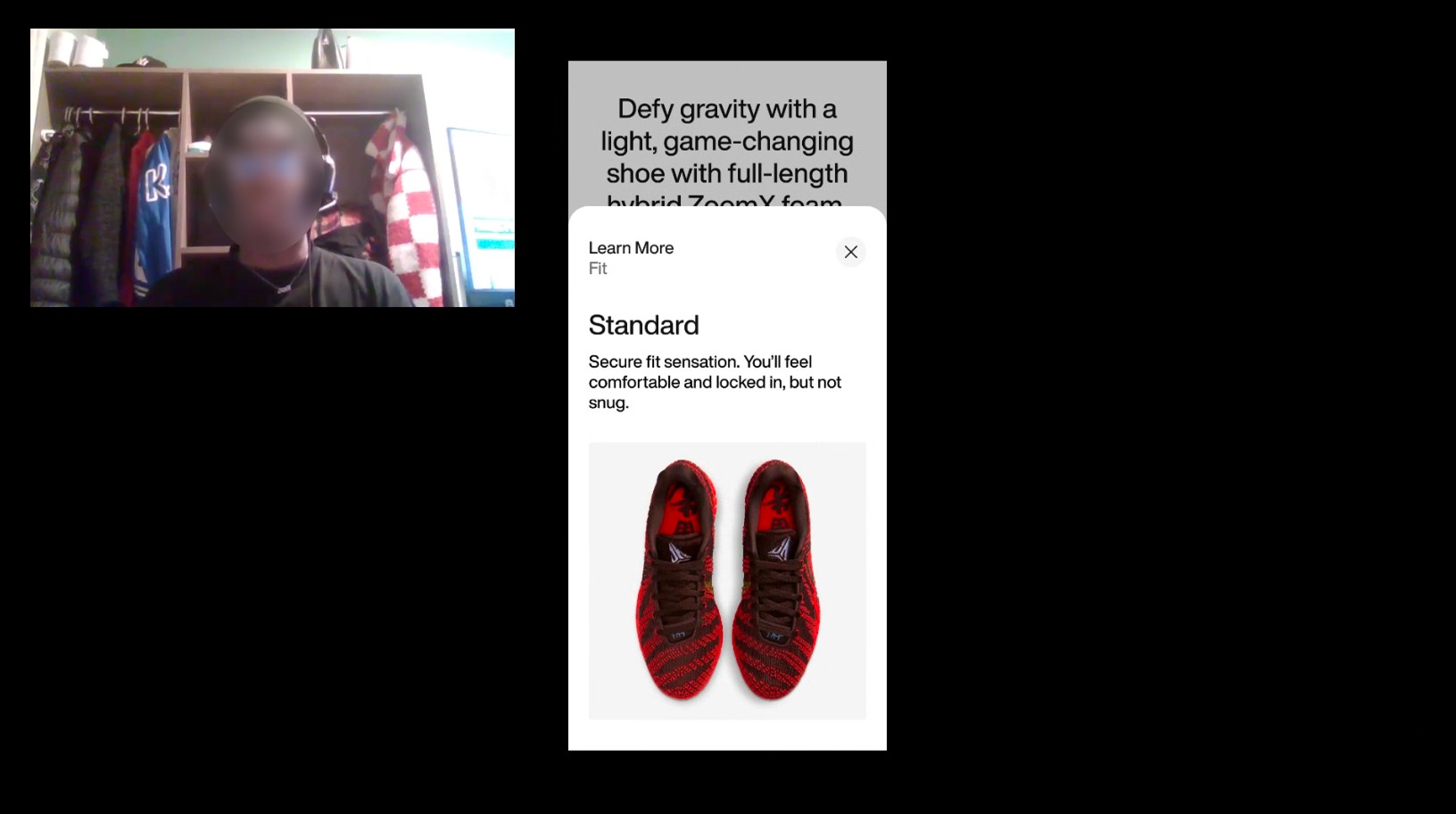
Each session walked consumers through a prototype EPD populated with real copy, assets, and content for a product in that sport category. Consumers also participated in a series of copy evaluation exercises to determine which benefits resonated and how product positioning should be communicated. Stimuli were designed to target specific research objectives for each sport category.
Methods
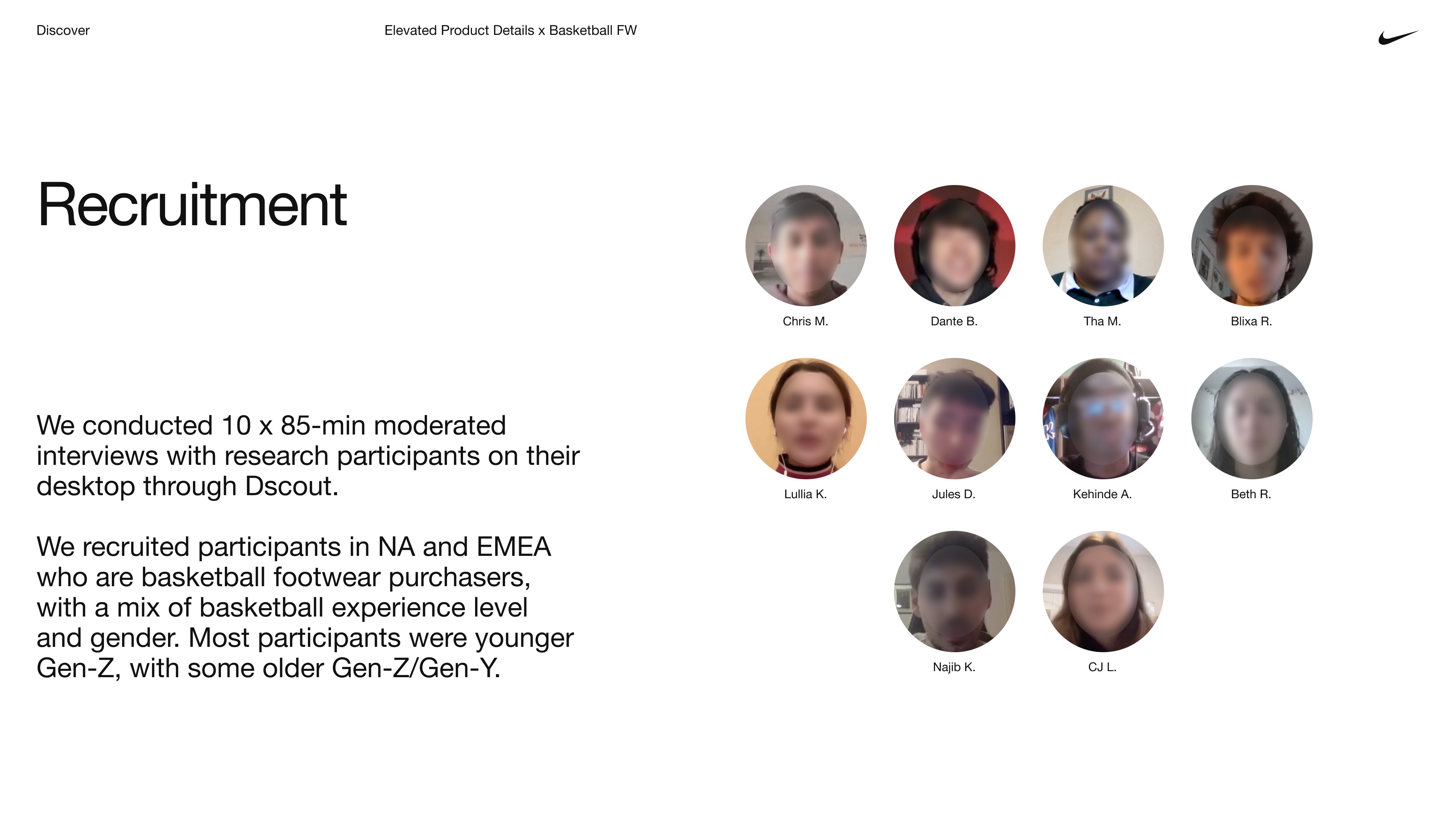
Sessions consisted of 60–70 minute, 1:1 qualitative interviews, with 10–20 interviews conducted per sport category, totaling 78 consumers across 5 sport categories.
Synthesis
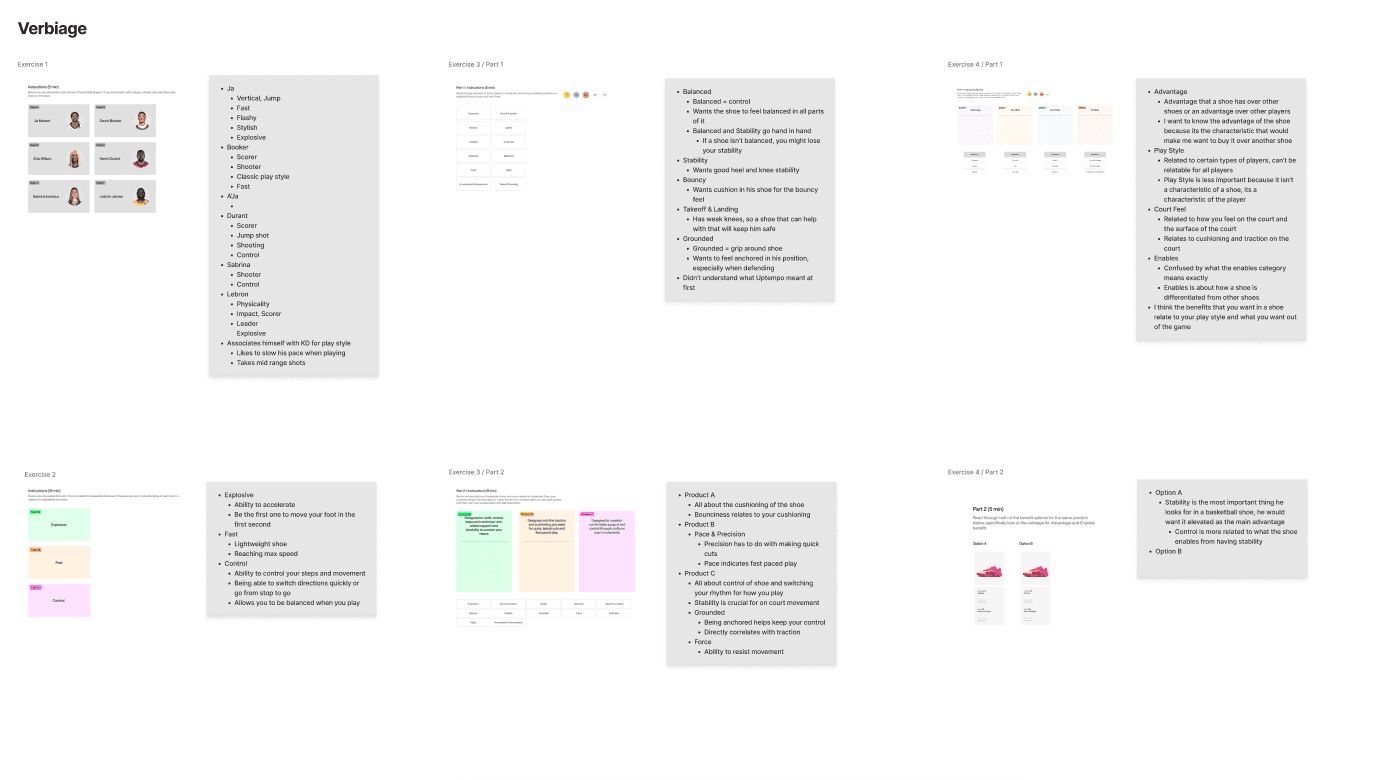
Notes from each interview are captured and organized by EPD component. Once all interviews are complete, I review notes across sessions, tagging common themes and findings.
Research Deck
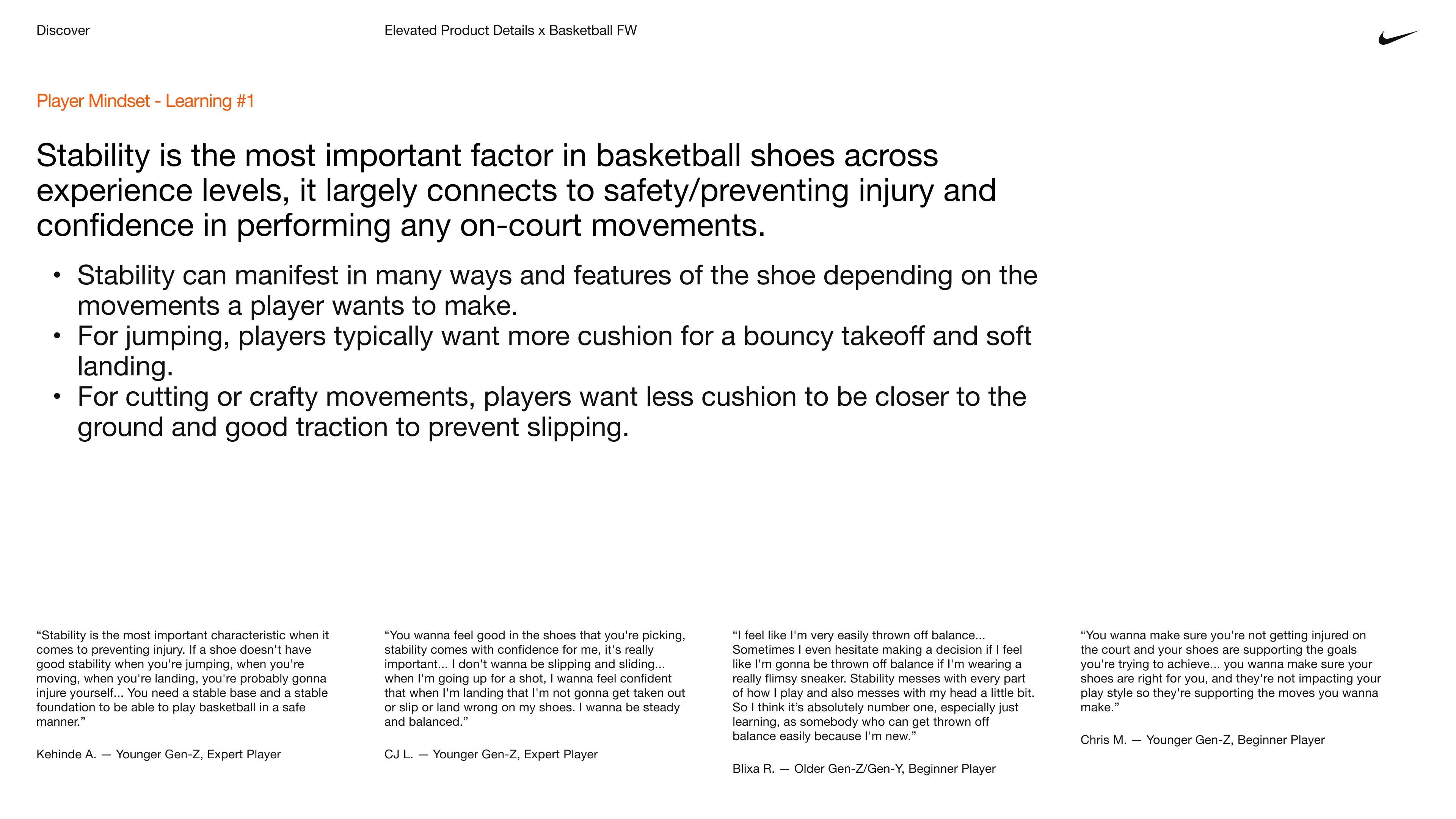
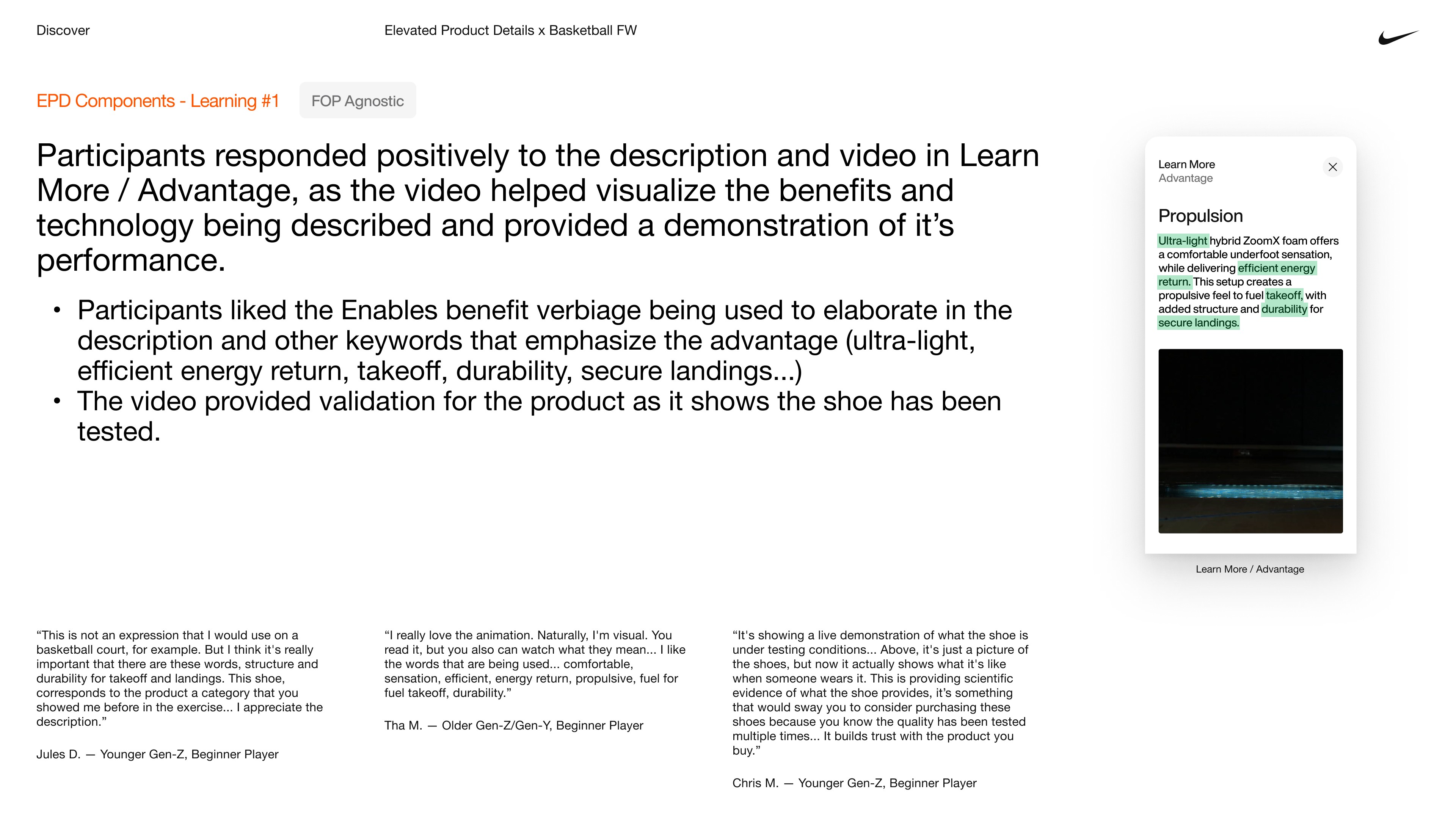
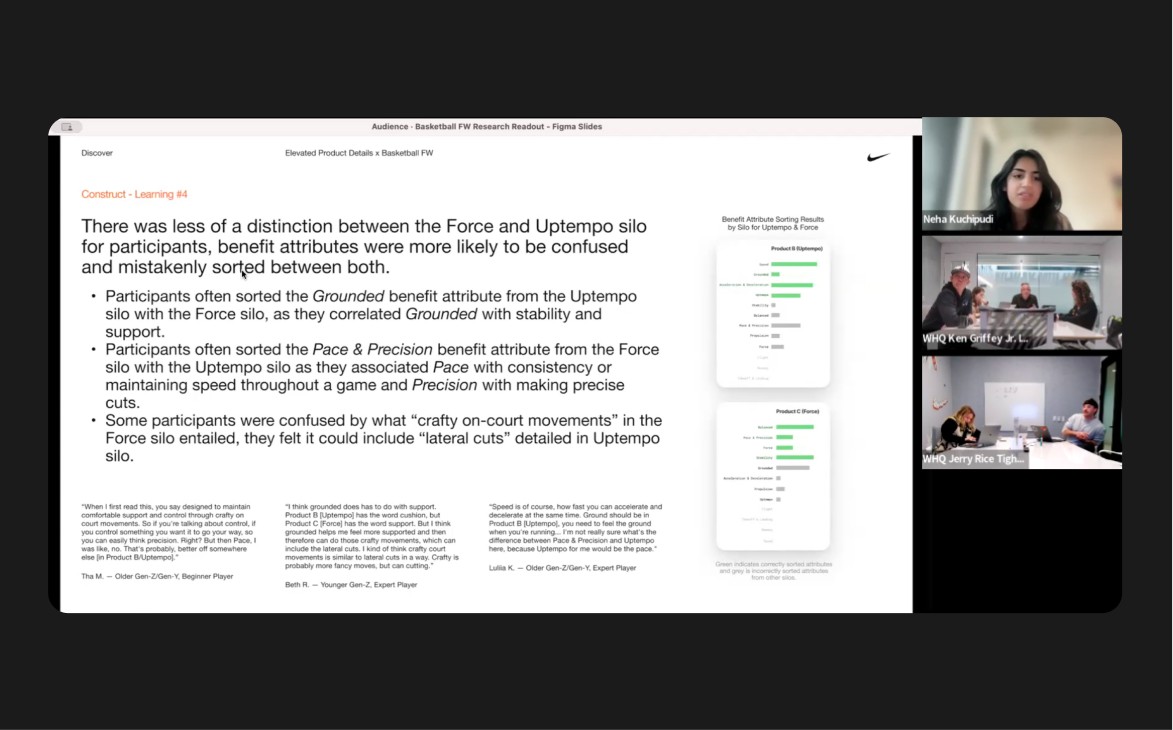
Findings, recommendations, and supporting context are consolidated into a research deck, with every finding backed by 3–4 direct consumer quotes.
Shareout
The research deck is presented live to cross-functional partners across Marketing, Brand, and Copy teams. Partners have an open forum to ask questions and discuss findings, with recommendations aligned on and finalized during the session.
Final Design
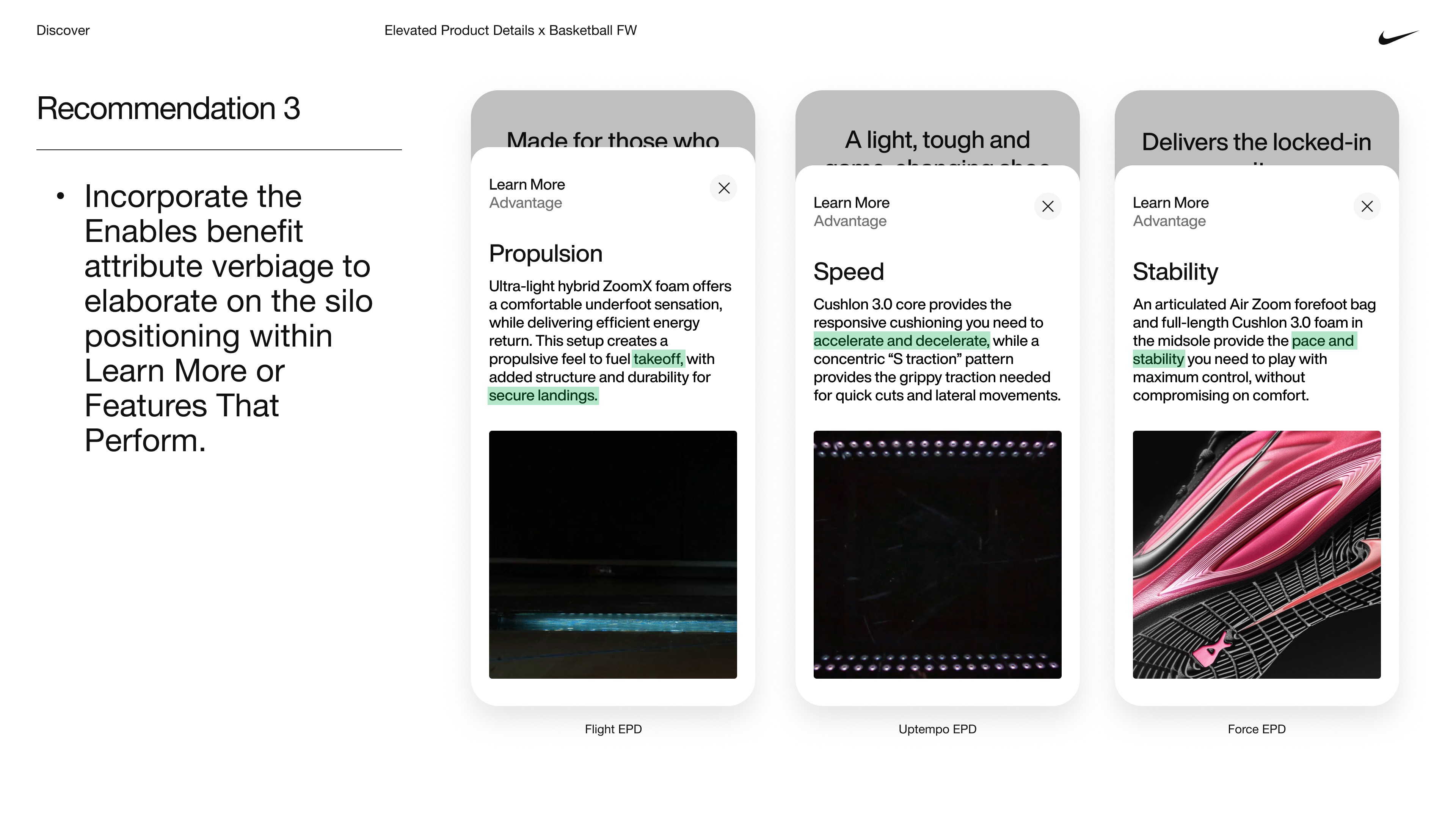
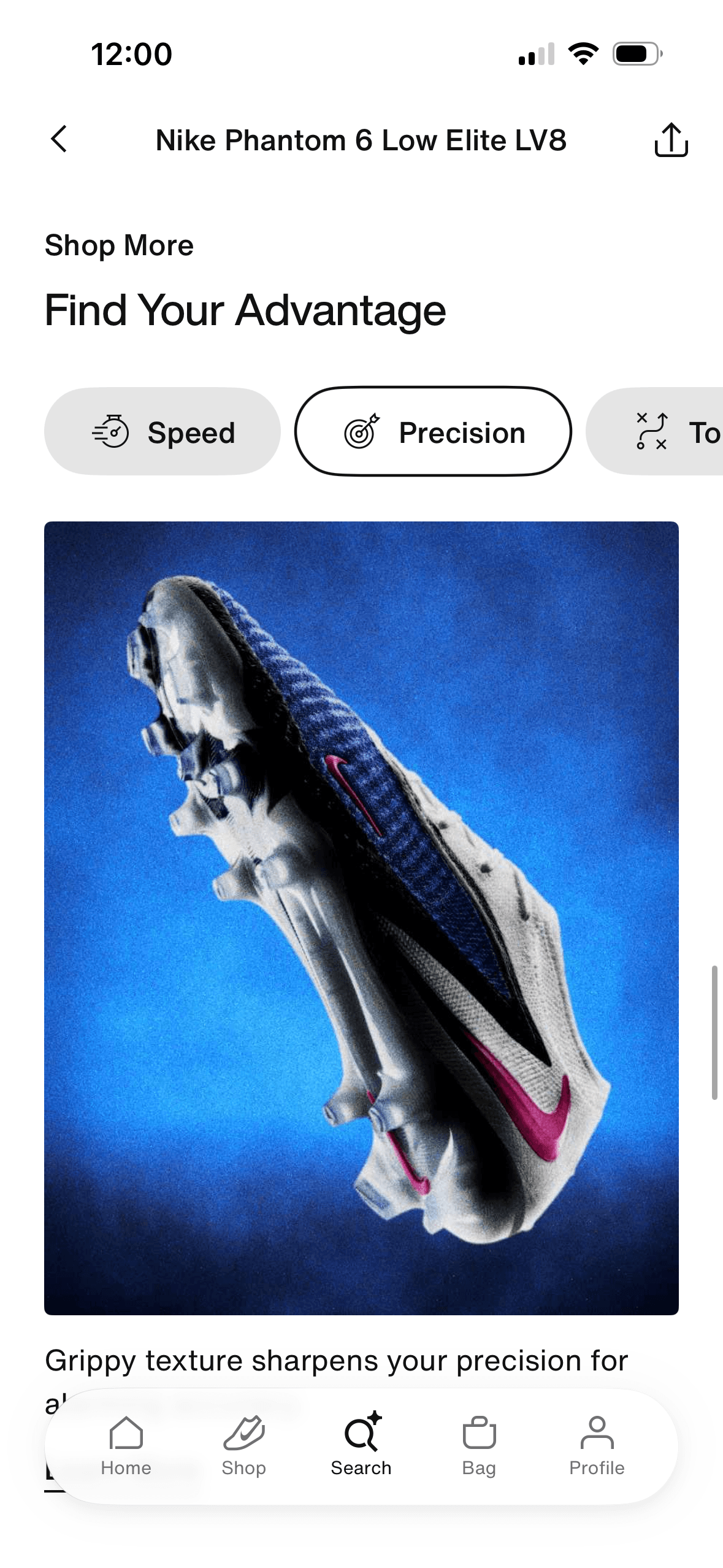
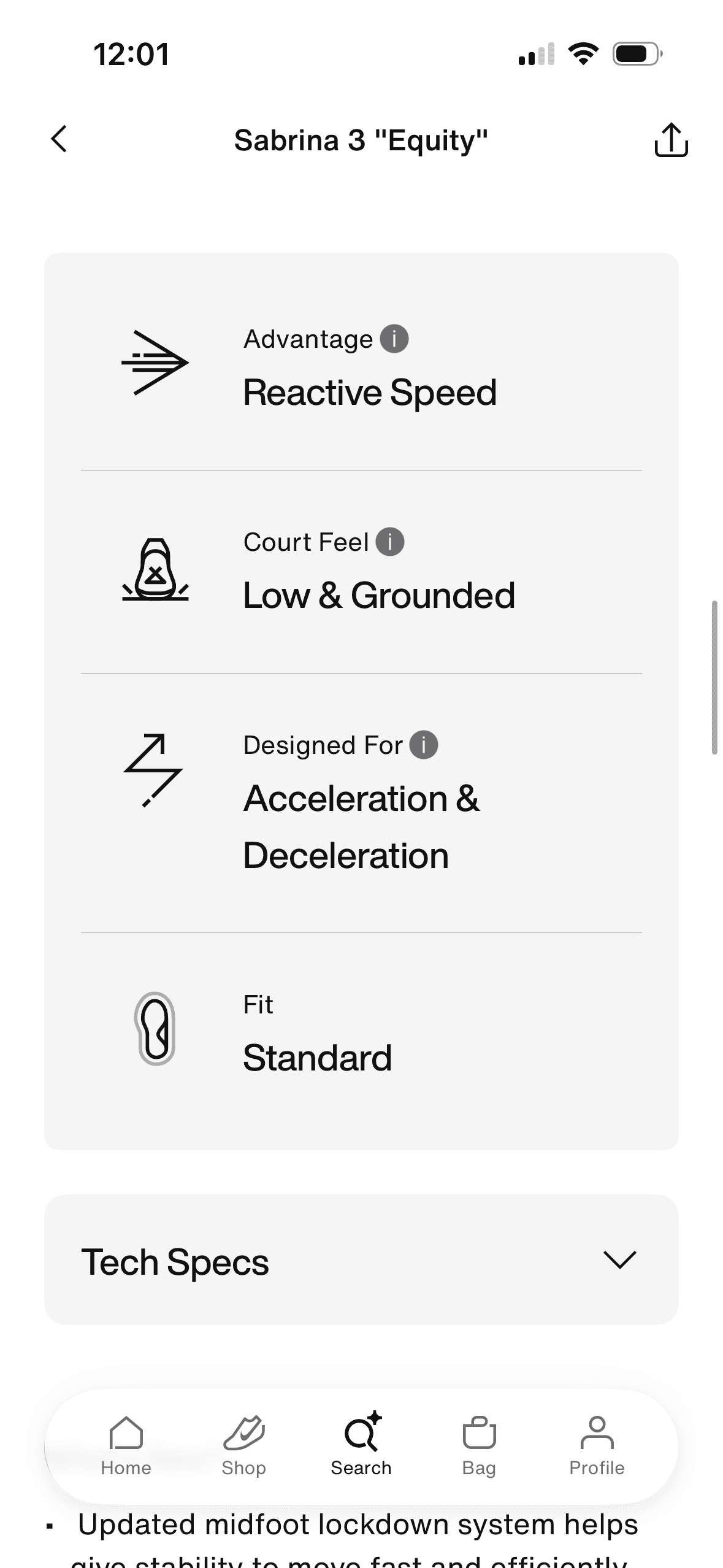
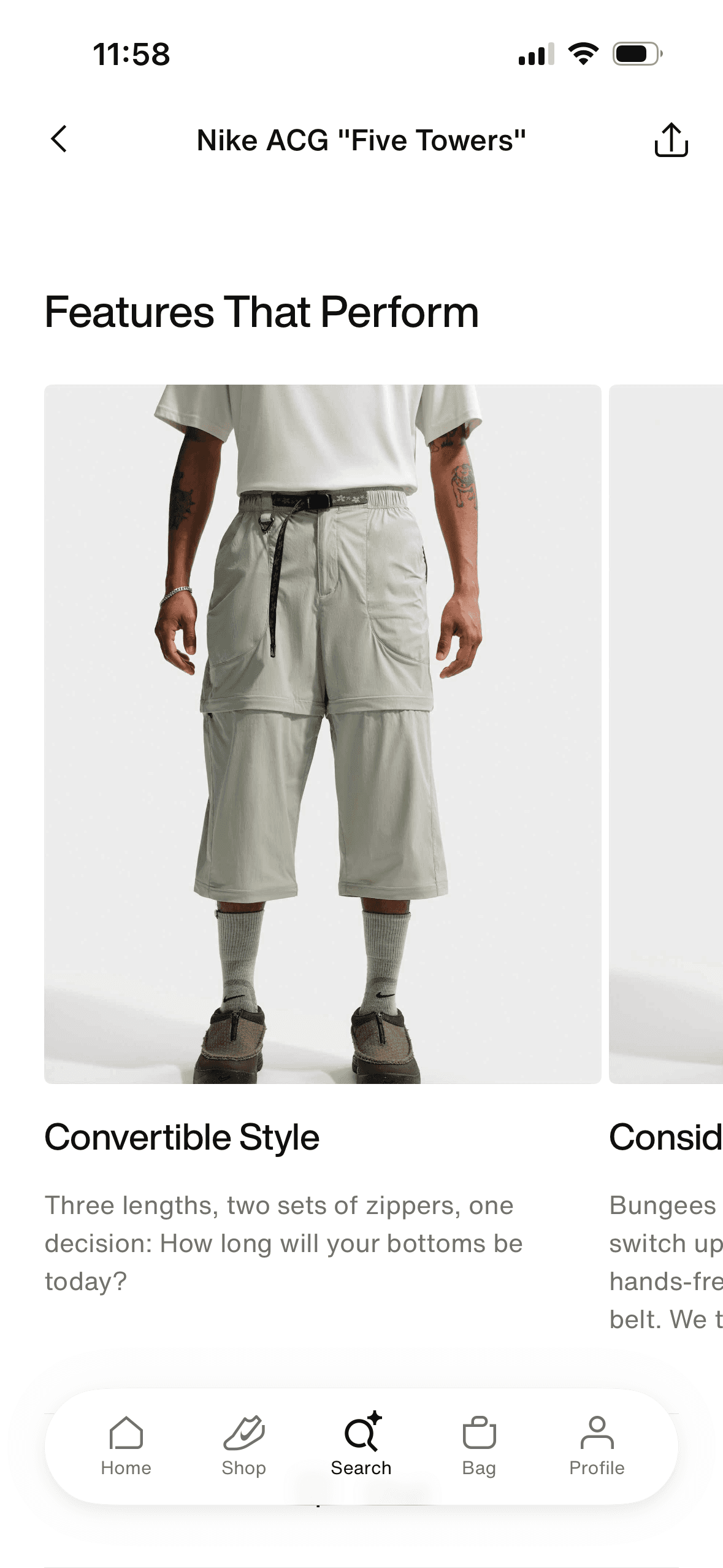
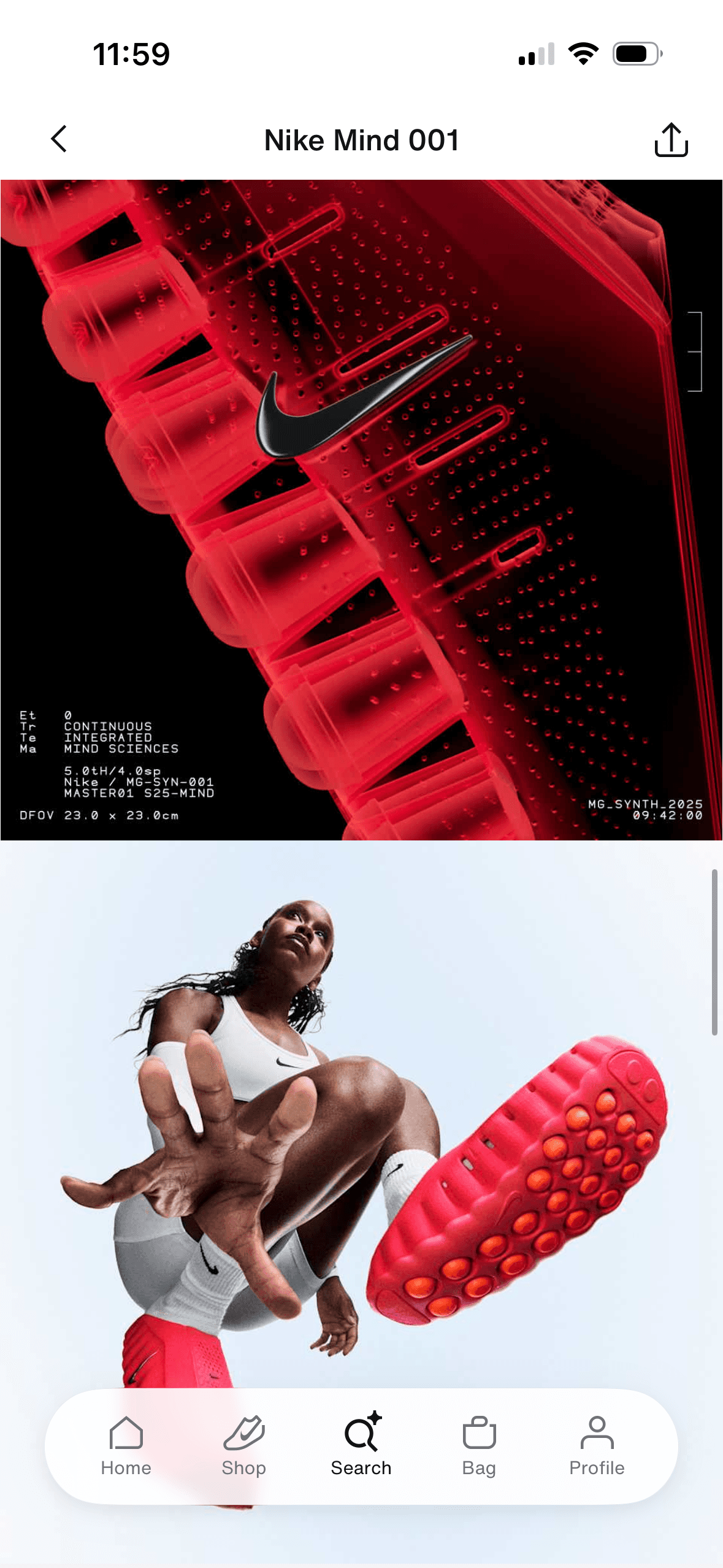
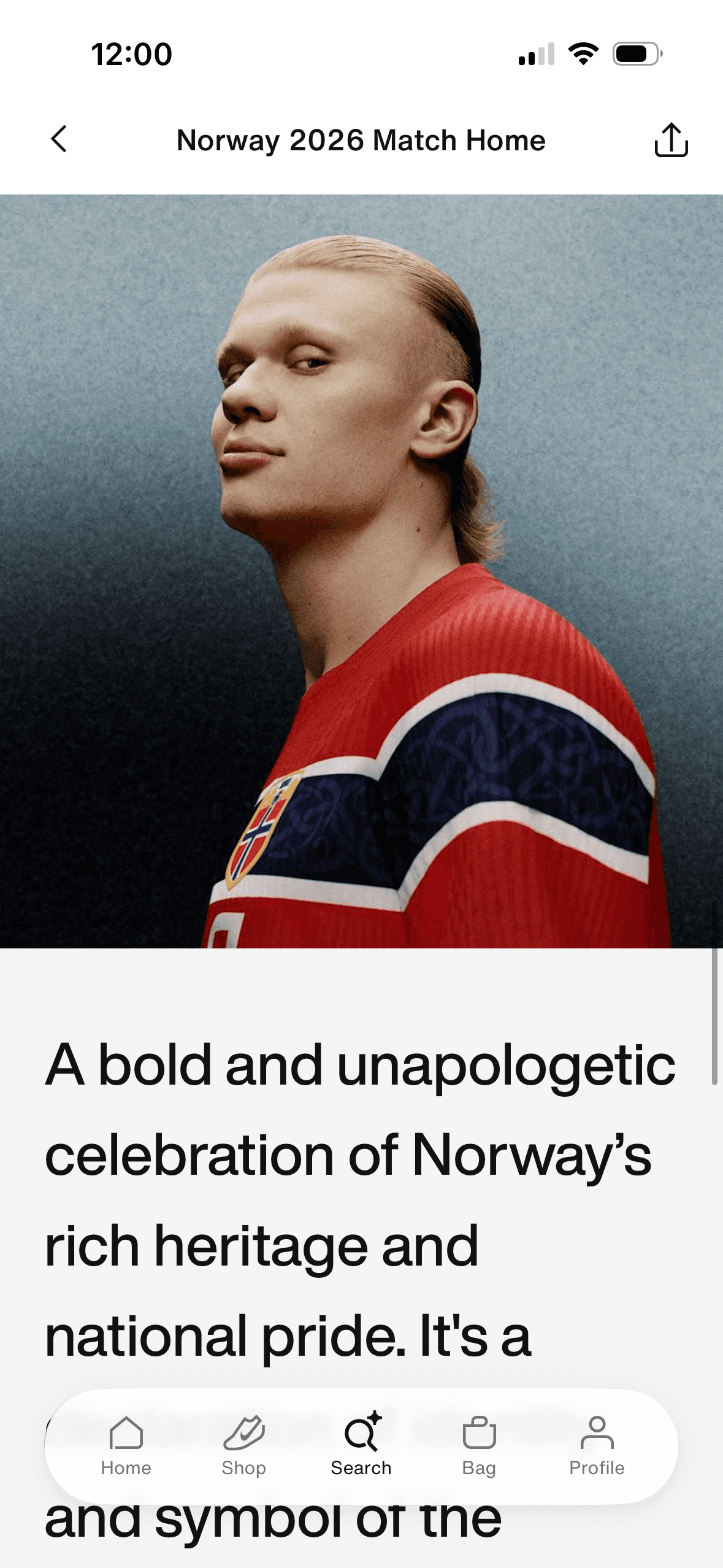
Based on recommendations aligned on during the shareout, EPD components and compositions are finalized for engineering handoff. The result is a PDP that resonates with consumers and positions products in a consumer-friendly way. See the live experience for products of the 5 sport categories below by clicking on them.
Impact
Delivered a +300–700 BPS lift in ATC and a +100–200 BPS lift in conversion on Nike Web and App within the first two months of launch, suggesting consumers who engage with EPD components demonstrate higher purchasing intent.